Currently Empty: $0.00
How to Choose the Right Wheel Loader for Your Project
Time and resources dictate the success of your operations. When you move heavy materials, a reliable wheel loader acts as the backbone of your entire job site. Selecting the wrong machine slows down production, exhausts your operators, and drains your operational budget. You need equipment engineered to handle your specific workload efficiently.
Purchasing heavy equipment represents a major investment. You must navigate various specifications, features, and machine sizes to find the perfect fit. This comprehensive guide breaks down the core decision factors you must evaluate before making a purchase. We will help you understand how to match machine size, lifting capacity, terrain requirements, and attachments directly to your daily productivity goals.
Evaluate Your Jobsite Conditions and Terrain
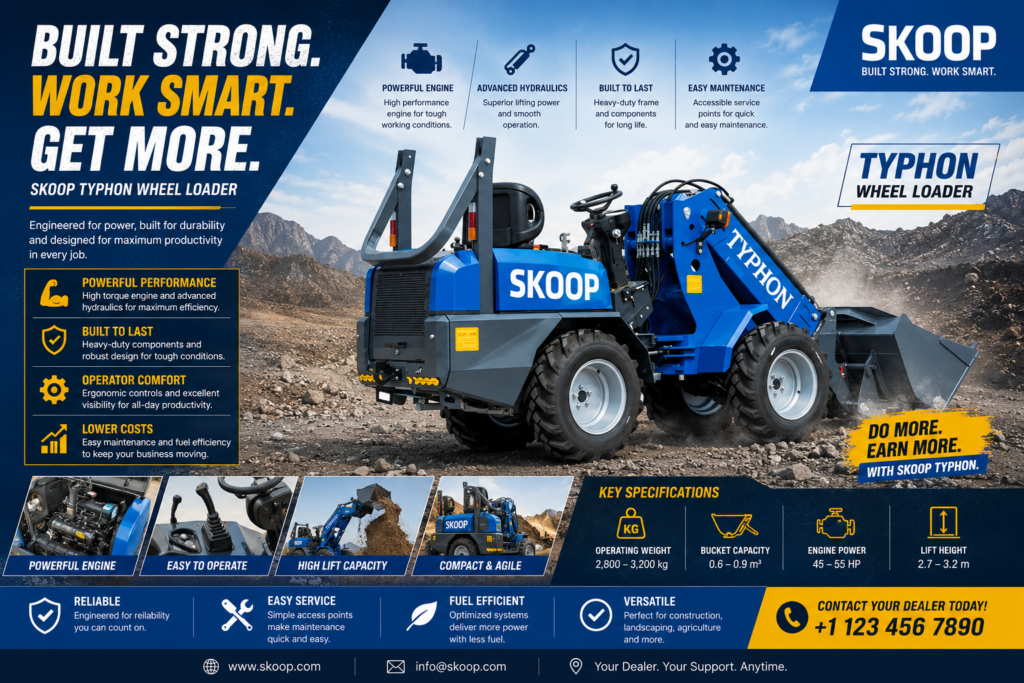
Before you look at engine horsepower or bucket capacities, you must analyze where the machine will work. Your job site environment directly dictates the type of wheel loader you need to buy.
Space Constraints and Maneuverability
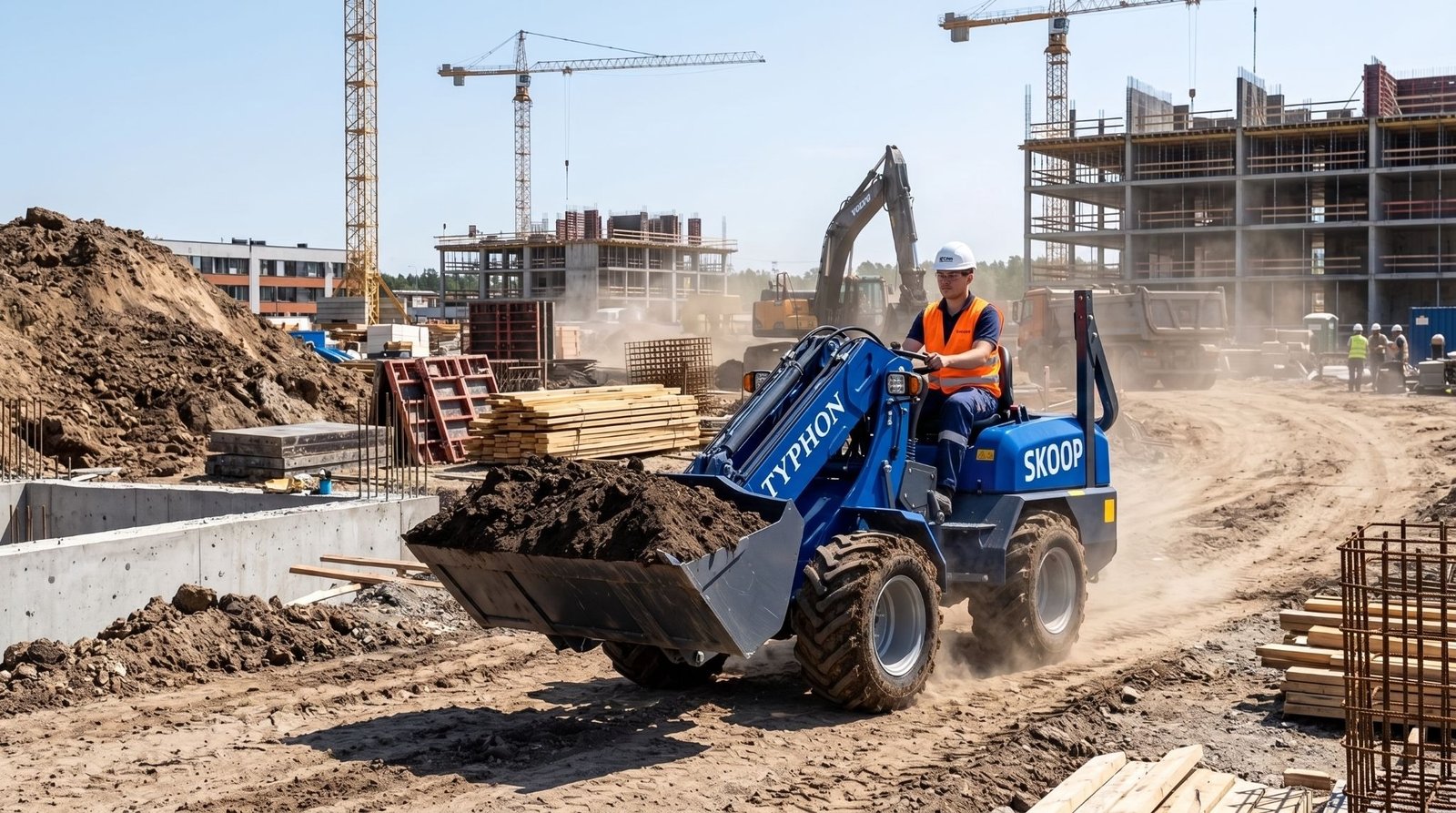
Measure the narrowest access points on your typical job sites. If you operate in tight urban construction zones or residential areas, a compact wheel loader provides the articulation and short turning radius required to move safely. For sprawling aggregate quarries or large agricultural operations, maneuverability takes a back seat to raw moving power, making large wheel loaders the better choice.
Ground Conditions and Tire Selection
Evaluate the surface your machine will drive on daily. Operating weight impacts ground pressure. If you work on finished concrete, asphalt, or delicate landscaping, you need a lighter machine to prevent severe surface damage. Conversely, working in muddy, rutted, or rocky environments requires a heavier machine to maintain traction. You must also select the right tire tread. Soft dirt requires aggressive traction tires, while scrap yards demand solid or foam-filled tires to prevent constant punctures.
Determine the Right Machine Size and Operating Weight
Manufacturers categorize wheel loaders by their operating weight and horsepower. Choosing the correct size ensures you have enough power to complete your tasks without wasting money on excessive fuel consumption.
Compact Wheel Loaders
Compact machines generally feature less than 100 horsepower. They excel in landscaping, snow removal, and light agricultural work. These machines offer incredible fuel efficiency and require smaller trucks for transport. If you need a versatile, quick machine that moves nimbly around obstacles, a compact loader fits the bill.
Mid-Size Wheel Loaders
Mid-size loaders serve as the industry workhorses. Ranging roughly between 100 and 250 horsepower, they provide a perfect balance of power and agility. General contractors, municipal fleets, and site preparation crews rely on these machines to load dump trucks, move heavy pallets, and clear large debris fields.
Large Wheel Loaders
Large loaders tackle heavy-duty mining, logging, and massive earthmoving projects. These machines prioritize massive breakout force and high-volume bucket capacities over agility. They require specialized heavy-haul transport to move between sites, so they often remain stationary at large, long-term project locations.
Calculate Lifting Capacity and Bucket Size
Never estimate your lifting requirements. Attempting to lift loads that exceed your machine’s capacity creates dangerous tipping hazards and destroys your hydraulic pumps.
Understanding Tipping Load
You must calculate the exact weight of the heaviest materials you handle daily. Pay attention to the machine’s straight tipping load and articulated tipping load. The tipping load indicates the maximum weight that causes the rear tires to lift off the ground. For safe operation, your daily working loads should never exceed 50% of the articulated tipping load.
Factoring in Material Density
A bucket full of dry topsoil weighs significantly less than a bucket full of wet sand or jagged granite. You must calculate your average material density before choosing a bucket. If you deal with heavy, dense materials, you need a smaller, heavy-duty bucket to prevent overloading the machine. If you move light materials like mulch or snow, you can equip a massive, high-capacity light-material bucket to increase your daily clearing rates.
Breakout Force
Breakout force measures the maximum power the loader exerts to curl the bucket and pry materials loose. If you regularly dig into compacted clay, frozen dirt, or solid debris piles, you must prioritize a machine with an exceptionally high breakout force rating.
Match Attachments to Your Project Types
A wheel loader serves as a highly adaptable tool carrier. Equipping your machine with the right attachments allows a single operator to perform the work of multiple dedicated machines. We highly recommend purchasing a loader equipped with a hydraulic quick-coupler, which allows operators to swap attachments from the cab in seconds.
Essential Attachment Options
- Standard Dirt Buckets: The go-to tool for digging, grading, and moving bulk materials efficiently.
- Pallet Forks: Transform your loader into a rough-terrain forklift. These are essential for moving heavy brick, block, and lumber across muddy job sites.
- Grapple Buckets: Securely clamp down on irregular loads. Forestry and demolition crews use grapples to handle brush, logs, and scrap metal safely.
- Snow Pushers and Brooms: Keep your machine generating revenue through the winter by clearing large commercial parking lots and street grids rapidly.
Prioritize Operator Comfort and Safety
Your operators spend eight to ten hours a day inside the cab. A comfortable operator works faster, makes fewer mistakes, and protects your equipment from damage.
Cab Visibility and Ergonomics
Look for wheel loaders featuring expansive, curved glass that eliminates blind spots. The operator must have a clear line of sight to the bucket edges and the rear of the machine. Test the seating and control layouts. Air-ride suspension seats and adjustable, low-effort joystick controls significantly reduce operator fatigue during long shifts.
Climate Control and Technology
Always opt for a fully enclosed, climate-controlled cab if your budget allows. Keeping operators warm in the winter and cool in the summer drastically improves job satisfaction and retention. Furthermore, modern machines offer advanced technology like integrated backup cameras, payload weighing systems, and automated ride control. Ride control acts as a shock absorber for the boom arm, preventing material spillage when driving over rough terrain.
Review Maintenance Requirements
Heavy equipment demands strict, consistent maintenance. Complex maintenance routines often get skipped, leading to catastrophic mechanical failures. You want a machine engineered for simple, rapid servicing.
Ground-Level Access
Evaluate how easily your mechanics can reach vital components. The best wheel loaders feature ground-level access to all daily service points. Your crew should check engine oil, hydraulic fluid, coolant levels, and air filters without climbing on top of the machine.
Advanced Telematics
Many modern wheel loaders feature built-in telematics systems. These systems track idle time, fuel consumption, and fault codes, transmitting the data directly to your fleet manager’s phone or computer. This data allows you to schedule preventative maintenance before a part actually fails, drastically reducing expensive job site downtime.
Analyze the Total Cost of Ownership (TCO)
The initial purchase price represents only a fraction of your actual equipment investment. To make a smart financial decision, you must calculate the total cost of ownership over the machine’s expected lifespan.
Fuel Efficiency and Operating Costs
Fuel consumption often stands as the highest ongoing expense. Compare the fuel burn rates of different models under heavy loads. A machine that costs slightly more upfront but saves two gallons of diesel an hour will pay for itself rapidly.
Resale Value and Dealer Support
Research the historical resale value of the brands you consider. Premium brands maintain high secondary market values, allowing you to recoup a significant portion of your investment when you upgrade your fleet. Additionally, you must evaluate the dealer supporting the machine. Even the best wheel loader will eventually need parts. Ensure your local dealer offers robust parts inventory and fast mobile service support.
Secure Your Job Site Productivity
Choosing the right wheel loader guarantees your team works faster, safer, and more profitably. When you align your machine’s physical size, lifting power, and attachment capabilities with your exact project demands, you secure an asset that drives continuous revenue.
Take the time to document your heaviest material weights, measure your site access points, and calculate your required daily production rates. Armed with this data, you can navigate the equipment market with total confidence.
Review your job requirements today. When you are ready to explore your options, compare model specifications closely and reach out to our dedicated equipment specialists to find the perfect wheel loader for your next project.